

Featured Specials
View Specials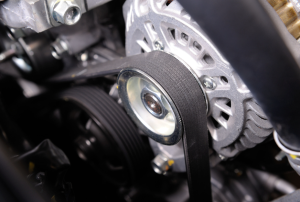
The timing belt is crucial for your Subaru’s engine, as it synchronizes the movements of vital engine components and allows your engine to work efficiently. Over time, this tough, reinforced belt can become worn or damaged, and your engine can suffer serious damage if the belt isn’t repaired or replaced. As your Los Angeles Subaru dealer, we want to tell you more about this belt and its importance.
What the Belt Does
The belt links the camshaft at the top of your engine to the crankshaft at the bottom of your engine. It’s made from toughened rubber reinforced with nylon cords that give it flexibility, heat resistance, and strength. The belt has teeth that enable it to stay on track in its grooves as it moves at high speed The belt’s movement synchronizes the opening and closing of the vents and the movement of the pistons inside the engine cylinders.
Precise timing is essential, as engine components move at high speed. If the belt loosens slightly, the timing will be off. This could cause the intake valves to open too early, increasing the fuel-air mixture in a cylinder and producing poor combustion. If the belt breaks, your engine will sustain irreparable damage, as out-of-synch pistons can smash into the cylinder heads.
Belt Replacement
As we’ve seen, the belt will slowly wear out and eventually need replacement. On average, the belt needs to be replaced every 60,000 to 100,000 miles. This varies depending on your Subaru model, and the correct replacement mileage for your Subaru is listed in your car manual.
Signs You Need a New Belt
Fortunately, a belt will never fail without warning. If the belt is damaged, the engine will produce a variety of warning signs that something is wrong. This gives sufficient time to contact us so we can replace your belt. Let’s take a look at a few signs your belt needs replacement.
Check Engine Light
This light gives early warning of any issue in your engine. Sensors are connected to all important components in your Subaru, including the belt. A failing belt will cause engine performance issues like increased fuel usage or reduced power. Sensors will detect the malfunctioning belt and inform your car’s computer. The computer will then illuminate the warning light.
Squealing Noises
Loud squealing noises from the engine can be caused by a worn belt slipping in its grooves as it moves. A malfunctioning belt tensioner could pull the belt too tight, which risks snapping the belt. We’ll need to examine your engine to confirm this, as a problem with the serpentine belt can also cause screeching noises.
If your engine isn’t working as it should, contact our service department ASAP at Puente Hills Subaru in City of Industry, CA
Connect with us


Recent Blog Entries
- Mr. Collision: Puente Hills Subaru’s Premier Certified Collision Repair Partner
- Subaru Loves to Help: The Subaru Vehicle Assistance Program for California Wildfire Victims
- 2025 Subaru Forester Wireless Charging: Convenience at Your Fingertips
- Subaru Equity Shield: Protecting Your Investment, Securing Your Future
- Top 5 Dog-Friendly Spots in City of Industry Near Puente Hills Subaru
Categories