
Featured Specials

View Specials

Schedule Your Service


Schedule Today
Blog / Subaru Service

Blog

All Subaru Service Southern California Subaru Dealership Things To Do Near City of Industry, CA Subaru Love Restaurants in City of Industry, CA Coffee Shops in City Of Industry, CA
Subaru Drive - The 2025 Subaru Forester: Evolution in Motion

Protect Your Subaru’s Paint This Winter: Top Tips for Car Care

Introduction Winter weather can be tough on your Subaru’s exterior. From the damaging effects of road salt to the accumulation of snow and ice, the harsh elements can cause your paint to wear and corrode. Fortunately, with the right care and protection, you can keep your Subaru’s paint looking fresh and pristine all season long. In this blog, we’ll share some top tips for protecting your Subaru’s paint during the winter months and ensuring that your vehicle remains in excellent condition, no matter how extreme the weather gets. 1. Wash Your Subaru Regularly The accumulation of road salt, slush, and grime can lead to serious damage to your Subaru’s paint if left untreated. Regular washing is essential for removing salt and other corrosive materials that can eat away at your vehicle’s clear coat and paintwork. Tip: Wash your Subaru every 2-3 weeks during the winter, especially after driving on salted roads. Pay special attention to the wheel wells, undercarriage, and areas around the fenders where salt can accumulate. 2. Apply a Protective Wax or Sealant Applying a good coat of wax or a paint sealant creates a protective barrier that helps shield your Subaru’s paint from the harsh winter elements. Waxing your car not only provides a shiny finish, but it also helps prevent road salt from sticking to the paint and making it harder to clean. Tip: Use a high-quality, durable wax or sealant specifically designed for winter conditions. Be sure to apply it before the winter season begins and reapply it every couple of months. 3. Use a Car Cover for Extra Protection If you have to park your Subaru outside during winter, consider using a car cover to protect the paint from snow, ice, and road debris. A breathable car cover will help keep snow and ice off your vehicle, reducing the risk of scratches and rust. Tip: Make sure the car cover is designed for winter use and is properly fitted to your Subaru’s model. 4. Avoid Parking Under Trees and Debris In the winter, trees and other foliage can shed snow, ice, or debris that may cause scratches or dents in your Subaru’s paint. Parking under trees or in areas where ice is likely to fall can increase the risk of paint damage. Tip: Whenever possible, park in a garage or in an open, sheltered area to minimize exposure to falling debris and prevent ice buildup on your vehicle. 5. Remove Snow and Ice Carefully While it's important to remove snow and ice from your Subaru’s exterior, you must do so carefully to avoid scratching the paint. Use a soft snow brush or an ice scraper designed for vehicles, and be gentle when scraping ice from the windows or body of your car. Tip: Never use metal tools to scrape ice from your Subaru’s paint. Always opt for a plastic or rubber scraper to avoid scratches. 6. Protect the Underbody from Salt Damage The undercarriage of your Subaru is highly vulnerable to road salt, which can lead to rust over time. Make sure to rinse the underbody regularly to remove salt and dirt buildup, especially after driving on salted roads. Tip: Consider getting an undercarriage wash at a car wash or doing it yourself with a hose that has a high-pressure nozzle. Conclusion Winter can be hard on your Subaru’s exterior, but with the right precautions, you can keep your paint looking as good as new. Regular washing, waxing, and proper care are essential for protecting your Subaru from the corrosive effects of road salt and snow. By following these tips, you’ll help maintain your Subaru’s appearance and ensure it stays in great condition for years to come. Visit Us Today 17801 E Gale Ave City of Industry, CA 91748 (626) 626-4800 Learn more: www.puentehillssubaru.com
Subaru Batteries

How to Keep Your Subaru’s Battery in Top Shape This Winter

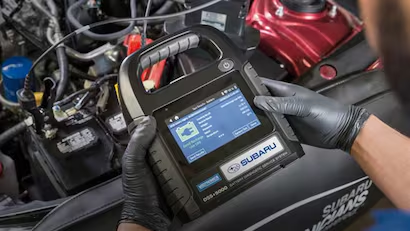
Introduction Winter can be hard on your vehicle’s battery. As temperatures drop, the chemical reactions inside the battery slow down, making it harder for your Subaru to start. This is especially true for older batteries, which are more susceptible to cold-weather failures. Fortunately, with a little proactive maintenance, you can keep your Subaru’s battery in top shape and avoid the headache of a dead battery in the middle of winter. In this blog, we’ll share essential tips on how to keep your Subaru’s battery healthy during the cold months. 1. Inspect Your Battery Before Winter Hits The best time to check your Subaru’s battery is before the cold weather sets in. A weak or aging battery is more likely to fail in freezing temperatures, leaving you stranded. Make it a point to have your battery tested by a professional mechanic at the start of winter, and replace it if necessary. Tip: Most auto shops offer free battery tests, so take advantage of this service to ensure your battery can handle the colder months. 2. Check for Corrosion and Clean the Terminals Corrosion around your battery terminals can prevent your Subaru from starting, especially in cold weather. If you notice a white, chalky substance around the battery posts, it’s a sign of corrosion. Cleaning the battery terminals is a quick and easy way to ensure reliable performance. Tip: Disconnect the battery cables (negative cable first), and clean the terminals with a mixture of baking soda and water. Be sure to wear gloves and eye protection when doing this. 3. Keep Your Battery Warm Cold weather can drain your Subaru’s battery faster, especially when temperatures drop below freezing. To prevent this, consider using a battery insulation blanket or battery heater. These accessories help maintain the battery's optimal temperature and prevent it from losing power too quickly in cold conditions. Tip: If you live in an area with extremely cold winters, invest in a battery blanket or heater to extend your battery’s lifespan and ensure reliable performance. 4. Turn Off Electrical Components When Starting the Car When starting your Subaru in the winter, it’s a good practice to turn off all electrical components (like the radio, lights, and climate control) before turning the key. This reduces the strain on the battery and makes it easier for your vehicle to start. Tip: Allow your Subaru’s engine to warm up for a few minutes before turning on high-power electrical components to help avoid excessive strain on the battery. 5. Keep Your Battery Charged If you don’t drive your Subaru frequently during the winter, the battery can lose charge. To keep it in top shape, make sure you drive your vehicle for at least 20-30 minutes every week. This will help the alternator recharge the battery and keep it in good condition. Tip: If you have a longer period between drives (such as when you leave your car parked during a vacation), consider using a battery tender or trickle charger to keep your battery charged. 6. Avoid Short Trips Short trips, especially during the winter, can be hard on your Subaru’s battery. This is because the alternator doesn’t have enough time to fully recharge the battery between starts. Whenever possible, try to combine errands and take longer trips to allow the alternator to keep your battery charged. Conclusion Your Subaru’s battery is crucial to its performance, especially during the winter months. By checking for corrosion, keeping your battery warm, and driving your car regularly, you can prevent cold-weather battery failures and ensure your Subaru starts reliably all season long. Don’t let a weak battery ruin your winter driving experience—take the necessary steps to keep it in top shape. Visit Us Today 17801 E Gale Ave City of Industry, CA 91748 (626) 626-4800 Learn more: www.puentehillssubaru.com
Schedule Service

Winterizing Your Subaru: Essential Maintenance Tips for Cold Weather

Introduction As the temperature drops and winter approaches, it's time to make sure your Subaru is ready for the cold weather. Winterizing your vehicle is an important step to ensure it performs at its best and keeps you safe on the road. Whether you're driving through snowy mountain passes or just facing the chill of winter mornings, your Subaru needs to be well-prepared for the season ahead. In this blog, we’ll guide you through essential winter maintenance tips to help you get your Subaru winter-ready. 1. Check Your Tires One of the most important elements of winter driving is your tires. In cold temperatures, the rubber on all-season tires can become less effective, reducing traction on icy or snowy roads. Winter tires are specifically designed to provide better grip in these conditions. Winter Tire Benefits: Better traction in snow and ice Improved braking performance Enhanced control in freezing temperatures If you live in an area where snow and ice are common during winter, it’s worth considering a set of winter tires to keep you safe on the road. 2. Inspect Your Battery Cold temperatures can significantly reduce the performance of your battery, especially if it's already a few years old. Before winter sets in, have your battery inspected and replaced if necessary. A dead battery is one of the most common reasons people get stranded in the winter months, and it’s always better to replace it before the cold weather hits. Tip: Keep your battery clean and check for corrosion on the terminals to ensure maximum performance. 3. Top Off Fluids Winter weather can take a toll on your vehicle’s fluids, so be sure to check and top off essential fluids like engine oil, antifreeze, brake fluid, and windshield washer fluid. In particular, make sure your coolant is at the appropriate level to prevent your engine from freezing in frigid temperatures. Winter Fluids to Check: Engine oil Antifreeze/coolant Brake fluid Windshield washer fluid (use winter-grade fluid) 4. Replace Wiper Blades Clear visibility is essential for safe driving in winter, so replace your windshield wiper blades if they’re worn or damaged. Ensure your wiper fluid is topped off with winter-grade fluid to prevent it from freezing in cold temperatures. You should also consider a set of winter wiper blades that can withstand the harsh elements. 5. Check Your Lights With shorter days and longer nights, having functional headlights, taillights, and brake lights is crucial. Check all of your vehicle's lights to ensure they’re working properly, and replace any bulbs that are burned out. Visibility is key to staying safe on the road, especially during winter’s foggy and snowy days. 6. Test the Heating System In winter, a reliable heating system is essential not just for comfort, but for safety. Make sure your Subaru's heater is working properly and that you have enough antifreeze to keep the system running efficiently. If your windows fog up easily or you’re having trouble maintaining a comfortable temperature inside your vehicle, it’s time to get your heating system checked. 7. Protect Your Subaru’s Exterior Winter road conditions can cause damage to your car's exterior. Snow, ice, and road salt can take a toll on the paintwork and undercarriage. Regularly wash your Subaru to remove salt and grime that can lead to corrosion. Consider applying a protective wax coating to your car’s exterior to help shield the paint from winter elements. Conclusion Winterizing your Subaru is an essential part of maintaining its performance and ensuring your safety during the colder months. By taking the time to check your tires, inspect the battery, top off fluids, and prepare your vehicle for winter conditions, you’ll ensure that your Subaru is ready for whatever the season brings. Stay safe on the road this winter, and enjoy the peace of mind knowing your Subaru is performing at its best. Visit Us Today 17801 E Gale Ave City of Industry, CA 91748 (626) 626-4800 Learn more: www.puentehillssubaru.com
subaru inspection los angeles

The Importance of Regular Subaru Multi-Point Inspections

A Subaru inspection is a comprehensive check on your vehicle's most essential systems to ensure they're in good working condition. As your Los Angeles Subaru dealer, we want to tell you more about this type of inspection and how it enhances the performance and longevity of your vehicle. more What's Checked During an Inspection? A Subaru multi-point inspection checks a large number of systems and components that are divided into three major areas. These areas are interior/exterior, under-hood checkup, and under-vehicle checkup. We'll take a closer look at the systems our technicians will examine. Interior/Exterior Components checked in this area include the front and rear headlamps, windshield and rear wipers, the windshield, horn, cabin air filter, and the spare tire. Under-Hood Checkup Numerous fluids are checked, including the power steering fluid, oil, transmission fluid, coolant, and brake fluid. In addition, the oil filter, engine air filter, belts, hoses, and battery are all examined. Under-Vehicle Checkup This section covers a range of systems affecting drivability, including the brake pads, the front and rear axle boots, the front and rear differentials, the suspension, shocks, struts, and the exhaust system. Benefits of an Inspection Now that you know what an inspection involves, let's talk about some of the benefits of regular inspections. Safer Driving When you're on the road, you want the peace of mind of knowing your Subaru is in good condition. When your Subaru is new, it's in perfect shape. As time passes, time, road conditions, environmental factors, and other issues cause wear and tear. Your tires, for example, gradually wear down due to friction with the surface but will suffer additional, avoidable damage if you have an alignment or tire balance issue. We examine and test numerous safety-related systems, including the brakes, seat belts, and airbags. If we discover an issue, we advise you on the condition of the component or system and when it needs replacement. If any system is damaged, we can repair it for you. Reduce Repair Costs A multi-point inspection enables our technicians to examine every important system in your vehicle. Our Subaru-trained technicians are experts, and their comprehensive training and practical repair experience allow them to identify potential issues when they first appear. A small issue, like slight wear on the transmission pan gasket, is a sign the gasket is wearing out. Replacing the gasket will prevent a leak and potentially major damage to the transmission from a fluid leak. Fixing minor issues is quick and inexpensive and prevents them from developing into major and expensive problems. If you'd like to know more about the inspection process or to book a Subaru inspection, contact our service department today at Puente Hills Subaru in City of Industry, CA.

fuel system service los angeles

Subaru Fuel System Service: Maximizing Mileage and Performance

The fuel system is an essential part of your Subaru, as blockages or problems in the system can cause various issues ranging from rough starting to failing to start at all. In addition, components like sensors can fail and cause engine damage. As your Los Angeles Subaru dealer, we want to tell you more about how we perform a fuel system service and the signs that one is necessary. more How Fuel Delivery Works Fuel is securely stored in the fuel tank. When your engine is running, the fuel is pumped by the fuel pump through the fuel lines to the fuel injectors. On the way, it passes through the fuel filter, which traps dirt or other contaminants, preventing them from reaching the engine. Once the fuel reaches the fuel injectors, sensors determine the precise amount of fuel that must be squirted into the intake manifold. Inside the manifold, the fuel mixes with air in a precise 14:1 ratio monitored by other sensors. Once the two elements have thoroughly mixed, the mixture is drawn into the cylinders. Inside a cylinder, the mixture is compressed and then ignited by the spark plugs at a precise moment to produce combustion. Cleaning the Fuel System As time passes, the fuel filter can become blocked by contaminants, restricting fuel delivery and reducing engine performance and acceleration. Carbon and other substances can build up in the system and block the fuel lines or the injectors. Let's look at the steps our Subaru-trained technicians take to fix all these issues. Clean Injectors As we saw above, the injectors spray fuel into the intake manifold in precise amounts. We carefully clean all the injectors to remove any fuel residue or build-up and clear any blockages in the injectors. Clean the Throttle Body Fuel varnish can accumulate and jam the fuel throttle. This varnish is the gummy residue of decaying fuel. Many drivers don't know this, but fuel degrades if it's left in the gas tank. Once the throttle has been cleaned, it will control the airflow into the manifold again. Clean the Valves This step is just as important as cleaning the throttle body, as the valves control fuel access into the injectors. Once they've been cleaned, the correct amount of fuel will pass through to the injectors. Change the Fuel Filter As we saw above, the fuel filter can become clogged. This restricts fuel delivery and can lead to engine trouble. After the filter has been changed, we add a fuel additive to your fuel tank. This additive continues to circulate through the fuel system and helps keep it clean. Contact us today at Puente Hills Subaru in City of Industry, CA. We can help you get your fuel system running smoothly again.

exhaust system maintenance los angeles

Subaru Exhaust System Maintenance: Enhancing Efficiency and Sound

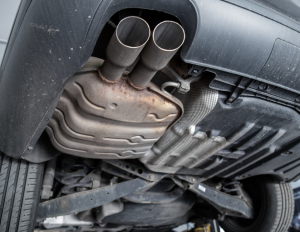
The exhaust's function is to dispose of the gases produced by combustion. Combustion uses a 14:1 mixture of air to fuel pressurized in a cylinder and then ignited at a precise moment to produce a controlled series of explosions. The process is then repeated in each cylinder, producing energy that lets your vehicle move. As your Los Angeles Subaru dealer, we want to tell you some signs you need exhaust maintenance. more Burning Plastic Smell Burning plastic has a foul odor that is easily distinguishable. If you smell this stench coming from under your engine, you could have an exhaust problem. The exhaust system is sealed along its length, but time or damage from hard objects thrown up from the surface can create a leak in the system, and hot engine gases will escape. Your engine compartment has a vast network of cables and wiring that carry electricity from the alternator to every electrical system. The wiring is protected against moisture, dirt, and heat by thick insulation. If hot gases leak from the exhaust underneath a wiring cluster, they can burn the plastic insulation and shut down electrical systems in the process. We'll find and seal the leak and replace any damaged wiring. Clogged Catalytic Converter The catalytic converter is a vital part of your emissions control system. As we've seen, combustion produces a range of gases, and most of these gases are toxic and polluting. The exhaust gases are forced out of the engine and into the converter, which uses chemical reactions, intense pressure, and extreme heat to convert them to harmless gases and water. The conversion process produces carbon as a byproduct, and this carbon can build up inside the converter and block the exit to the exhaust system. If this happens, the engine gases are forced back into your engine. This produces a strong fuel smell that can waft into your cabin. The gases increase pressure in your engine and will cause misfiring or stalling. Our technicians will clear the blockage to fix this issue. Banging Sounds The exhaust system stretches underneath your Subaru from the engine to the tailpipe. Metal hangers support the system at strategic points along its length, and they're securely bolted to the underside. The hangers and bolts are exposed to water and mud as you drive, and in time, this can generate rust that damages them. Rusted bolts can break off, causing a hanger to loosen. The affected section of the exhaust will then bang against the underside of your vehicle while you are driving. We'll examine the hangers and their bolts and replace any that are damaged. If you have an exhaust problem, contact our service department at Puente Hills Subaru in City of Industry, CA. We’re here to help get your car and your exhaust system working like new again.

car ac service los angeles

Air Conditioning Service for Your Subaru: Stay Cool Year-Round

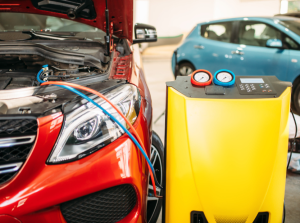
We all love the California sunshine, but some days can still get too hot, and you need relief. That's when your Subaru's AC comes to the rescue with billowing waves of cold air. Unfortunately, AC components can wear out or get damaged over time, and this affects its performance. As your Los Angeles Subaru dealer, we want to tell you more about some signs you need to visit us for an AC service. more Leaking Refrigerant Refrigerant is gas that's pumped through the AC system to remove humidity from the air and chill it before it's blown into your cabin. Sharp objects thrown up from the surface, rust, or worn seals can cause a leak in the AC system, and refrigerant will rapidly escape. It's almost impossible to see a leak, as the gas evaporates as soon as it's exposed to the air. Our technicians have specialized tools to detect a leak. We insert a UV dye into the AC system and then follow its progress through the AC using a special UV detector. Once we spot the leak source, we'll seal it and then refill your refrigerant. Your AC will blow cold air again in no time. Jammed Compressor Clutch The compressor is one of the components of the AC system and arguably the most important. It's responsible for pushing air through the system and condensing liquid refrigerant back into a gas to remove the water absorbed by the refrigerant. The clutch regulates the compressor's operation by switching it on and off throughout the chilling process. An old, worn clutch can fail and jam in an open or closed position. If the clutch jams open, the compressor is forced to operate continually and will wear itself out in the process. A clutch that jams closed prevents the compressor from activating, and your AC won't supply any air. Our technicians will examine the clutch and replace it to fix this problem. Noisy AC You shouldn't hear any sound from the AC while it's working except for a slight clicking sound at regular intervals as the compressor switches on and off. Even this sound can be difficult to detect unless you're listening to it. If you hear rusting, rattling, clunking, or other odd sounds from the AC, it's time to visit us for an AC check. Rustling noises are usually caused by leaves or other objects drawn into the AC system with the air and dumped in the air ducts. Clunking or rattling sounds could mean damaged AC bearings or loose components. We'll investigate your AC and remove the debris or repair the damaged component, and your AC will work quietly again. If you have an AC problem, contact us right away at Puente Hills Subaru in City of Industry, CA. We’ll help get your AC working right again, so you can stay cool when you’re on the road.

wiper replacement los angeles

Subaru Windshield Wiper Replacement: Clear Vision Ahead

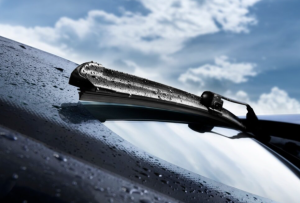
Visibility is all-important whenever you're driving. When it starts to rain, your windshield wipers play an essential role in allowing you to see the road clearly. If your wipers ever become worn out or damaged, your visibility will be reduced and your windshield might also become scratched. With all this in mind, visit your Los Angeles Subaru dealer for windshield wiper replacement as soon as you notice the following signs of trouble. more Your Wipers Are Squeaking If the rubber of your wipers becomes weathered or hardened, they might start squeaking instead of gliding smoothly over the windshield. Squeaking or squealing sounds are often an early indication of failing windshield wipers; it's best to replace squeaking wipers before they start to smear or scratch the glass. Your Wipers Are Skipping If windshield wipers are left unused for prolonged periods, the rubber can sometimes become permanently set in a fixed shape. This rigidity may cause the wipers to skip and chatter over the glass, cleaning inconsistently rather than wiping smoothly, flexibly, and evenly. Your Wipers Are Leaving Un-Wiped Patches After using your windshield wipers a few times, you'll be used to the full area of the windshield they wipe clean. If this area shrinks and you notice un-wiped patches, you'll probably need to replace your wipers, which might have become bent or misshapen. Your Wipers Are Leaving Streaks Any streaks or smears left across your windshield usually point to missing or worn parts of the wiper's rubber. Streaks and smears can hinder your visibility, so it's best to have new wipers installed at once. Your Wipers Are Cracked or Bent If you notice any damage to your wipers, have them replaced without delay. Cracks, bent frames, or any other warping make windshield wipers unsuitable for use. Damage can sometimes be caused by a buildup of dirt and dust that lodges between the wiper and the glass. Defective wipers might also become cracked or bent more easily. Visit Your Subaru Dealer for New Wipers Once or Twice a Year Most drivers need to replace their windshield wipers every six to twelve months. The longevity of your wipers depends largely on how much you use them. People who live in wetter climates typically need to use and replace their wipers more frequently, which is good for residents of drier climates like ours. Visit Puente Hills Subaru in the City of Industry, CA, today to have your worn-out windshield wipers replaced. We're a local full-service dealership providing the drivers of Los Angeles with excellent vehicles, prompt maintenance services, and courteous customer care.

timing belt service los angeles

Understanding Your Subaru's Timing Belt Service Needs

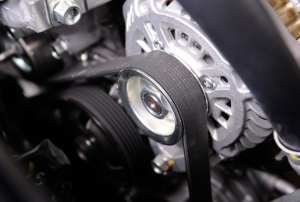
The timing belt is crucial for your Subaru's engine, as it synchronizes the movements of vital engine components and allows your engine to work efficiently. Over time, this tough, reinforced belt can become worn or damaged, and your engine can suffer serious damage if the belt isn't repaired or replaced. As your Los Angeles Subaru dealer, we want to tell you more about this belt and its importance. more What the Belt Does The belt links the camshaft at the top of your engine to the crankshaft at the bottom of your engine. It's made from toughened rubber reinforced with nylon cords that give it flexibility, heat resistance, and strength. The belt has teeth that enable it to stay on track in its grooves as it moves at high speed The belt's movement synchronizes the opening and closing of the vents and the movement of the pistons inside the engine cylinders. Precise timing is essential, as engine components move at high speed. If the belt loosens slightly, the timing will be off. This could cause the intake valves to open too early, increasing the fuel-air mixture in a cylinder and producing poor combustion. If the belt breaks, your engine will sustain irreparable damage, as out-of-synch pistons can smash into the cylinder heads. Belt Replacement As we've seen, the belt will slowly wear out and eventually need replacement. On average, the belt needs to be replaced every 60,000 to 100,000 miles. This varies depending on your Subaru model, and the correct replacement mileage for your Subaru is listed in your car manual. Signs You Need a New Belt Fortunately, a belt will never fail without warning. If the belt is damaged, the engine will produce a variety of warning signs that something is wrong. This gives sufficient time to contact us so we can replace your belt. Let's take a look at a few signs your belt needs replacement. Check Engine Light This light gives early warning of any issue in your engine. Sensors are connected to all important components in your Subaru, including the belt. A failing belt will cause engine performance issues like increased fuel usage or reduced power. Sensors will detect the malfunctioning belt and inform your car's computer. The computer will then illuminate the warning light. Squealing Noises Loud squealing noises from the engine can be caused by a worn belt slipping in its grooves as it moves. A malfunctioning belt tensioner could pull the belt too tight, which risks snapping the belt. We'll need to examine your engine to confirm this, as a problem with the serpentine belt can also cause screeching noises. If your engine isn't working as it should, contact our service department ASAP at Puente Hills Subaru in City of Industry, CA

differential service los angeles

Subaru Differential Service: Optimizing Performance and Safety

Many Subaru owners are pretty maintenance-savvy when it comes to caring for their cars. Yet as your Los Angeles Subaru dealer, one maintenance procedure that's often misunderstood is differential service, which is crucial for performance. Learn more about this traction-preserving service. more What Is a Differential and What Does It Do? When your car turns, the wheel on the outside of the turn will spin faster and take more revolutions to complete the turn than the inside wheel, since it takes a longer path. Your differential is a set of gears connected to the drivetrain that splits the torque from your engine and distributes it between the drive wheels, keeping each wheel turning at the right speed to keep traction, minimize wear, and distribute power correctly between the drive wheels. What Happens If It's Not Properly Maintained? If the differential isn't properly maintained, a few problems can occur. First, tires can start to wear unevenly, causing extra wear on the inside treads of your tires. If a differential system runs out of fluid and locks, you may hear what's called tire scrubbing, which indicates that the tires are intermittently slipping and gripping. Differentials require periodic maintenance, like fluid top-ups, visual inspection, and more, to make sure they'll perform correctly for thousands of miles to come. Differential Warning Signs Your differential will let you know if there's something wrong. One of the most subtle signs of a differential problem is a worn-down inner tread on your tires, indicating excess spinning during turns. More obvious signs include excess vibration; a humming, whining, chirping, or squealing sound; and poor handling, especially in corners. Any of these issues are red flags that your differential needs to be checked and may require service. When Should My Differential Get Checked? Your Subaru's owner's manual will give you a guideline for what mileage points indicate a need to have the differential checked. Routine maintenance is essential for preventing issues, but if you're experiencing any of the warning signs above, don't wait; book a service appointment immediately. Maintenance is almost always cheaper than repairing or replacing parts. Whether you've got a maintenance milestone coming up or you're starting to hear or feel something unusual with your car, don't wait to have your Subaru's differential inspected and maintained. Book your service appointment now at Puente Hills Subaru in City of Industry, CA, and let our qualified and capable technicians take care of your car so you can get back on your favorite Southern California roads with confidence.

fluid flush service los angeles

Fluid Flush Services for Your Subaru: Enhancing Longevity

Whether you're driving a gas, hybrid, or electric Subaru, checking the various fluids regularly can help enhance your vehicle's longevity and performance. Here at your Los Angeles Subaru dealership, we offer a variety of fluid check and flush services as part of the scheduled vehicle maintenance or as needed, to get your car ready for your summer road trip or for the warmer weather. more Engine Oil All gas and hybrid Subaru models use synthetic engine oil to keep all moving parts lubricated, reducing friction and wear. Old or dirty engine oil can reduce the vehicle's performance and even damage the engine. To keep your car running smoothly, you should visit us for an engine oil flush every six months or 6,000 miles, whichever comes first. Engine Coolant The engine coolant, also known as radiator fluid, is responsible for keeping the engine cool in hot weather while lubricating some essential components. Regular inspections of this fluid are necessary to ensure it is clean and working as it should, but a full flush and replacement are usually only needed after 137,500 miles or 11 years. Transmission Gear Oil If you're driving a Subaru model with a manual transmission, you should have the transmission gear oil inspected every 30 months or 30,000 miles. When necessary, our certified technicians can flush and replace this fluid to ensure that all the delicate parts of your car's transmission system are moving freely. Automatic Transmission Fluid The equivalent of transmission gear oil, the automatic transmission fluid lubricates the various parts of your vehicle's automatic transmission. This fluid should be inspected every 36 months or 36,000 miles, whichever comes first, and replaced every 60 months or 60,000 miles. CVT Fluid Vehicles with a continuously variable transmission use a special type of CVT fluid that has the same role as the gear oil or automatic transmission fluid. This fluid must be inspected every 36 months or 36,000 miles but generally doesn't have to be flushed and replaced. Differential Gear Oil Almost all Subaru vehicles use front and rear differential gear oil that protects the symmetrical all-wheel drive system from wear and tear, keeping the wheels spinning. This fluid should be inspected every 30 months or 30,000 miles. An exception is the Subaru BRZ which only uses rear differential gear oil. This vehicle requires gear oil inspections every 12 months or 12,000 miles with full flushes and replacement every four years or 60,000 miles. Brake Fluid Brake fluid keeps your braking system running smoothly, so ensuring it is in good condition is essential for your road safety. In most Subaru models, this fluid must be flushed and replaced every 30 months or 30,000 miles, whichever comes first. Don't let bad fluids hinder your safety and reduce your vehicle's performance. Contact us today at Puente Hills Subaru in City of Industry, CA to find out more about our service specials and schedule an appointment.

subaru service los angeles

5 Services Offered by Your LA Subaru Dealer

When you visit your Los Angeles Subaru dealer, you'll find a whole lot of services available to you. At the dealer, you can shop for a new car and trade in your old one, and you can also get Subaru service so you can keep your current car in the best condition possible for the entire time you own it. more 1. Fluid Level Checks and Top Ups Cars are full of fluids, and every single one has a very important job. For example, the engine oil lubricates the parts of the engine and prevents wear and tear, and the coolant helps regulate your car's temperature as it cycles through the radiator. When you're running low on one of these fluids or any other fluids in your vehicle, then you'll start having car performance issues that can cause damage to some of your car's components. Stopping by the dealer regularly to have your fluid levels checked and topped off is essential so you don't run low on any of these fluids. Plus, the fluids need to be drained and refilled regularly, too. For example, you typically need to get the oil changed once or twice a year. 2. Filter Changes Speaking of oil changes, you also need to get your oil filter changed when you come in for an oil change. However, that's not the only filter in your car. The air filters and fuel filter need to be changed often, too, and the technicians at your dealership can do just that. 3. Wheel Alignments Over time, your car's wheels move out of alignment with your car's center. This needs to be rectified regularly so it doesn't start impacting your driving experience and make driving less safe. It requires specialized knowledge and equipment to do this, and you'll find both the equipment and the knowledge at your local dealership. 4. Tire Rotations So your tires can wear down evenly, your tires need to be rotated pretty regularly. Usually, you need to get them rotated approximately twice a year or every time you stop by for an oil change. When we perform a tire rotation for your car, we're ensuring your tires will wear down evenly and last longer than they would if they weren't rotated. 5. Parts Replacements Your car is made up of a whole lot of parts, and some of them need to be replaced regularly so your car remains running correctly. For instance, the spark plugs can wear out over time, so we'll need to replace them every couple of years. We keep a wide array of Subaru parts in stock at our dealership, so if you need to get parts replaced, then we can take on that job. Come and see us at Puente Hills Subaru in City of Industry, CA. We’ll help you get your oil changed or your alignment in check, so you can get back out and enjoy the beautiful Southern California roads.

Contact Us

Fill out this form below and we'll contact you shortly
*Required Fields