
Featured Specials

View Specials

Schedule Your Service


Schedule Today
Blog / Subaru Service

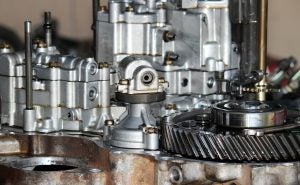
Does Your Subaru Need a Transmission Repair?

engine transmission

By conveying the engine's power to the wheels, your transmission serves one of your car's most important functions. In doing so, it also undergoes an enormous amount of pressure. Without proper care and maintenance, all that heat and pressure can wear a transmission down and lead to costly repair jobs. So watch out for the following warning signs that you should visit your local Subaru dealer for transmission repair.

Your Gears Are Struggling

Normally, Subaru transmissions allow for consistently smooth, quiet gear changes. If you hear or feel anything out of the ordinary while shifting gears, check that your transmission fluid isn't low, and have a technician diagnose the problem before it worsens.  

The first indication of struggling gears might be a grinding or whining sound when you shift. The gears might also feel stiff and slow to change. Your engine might also start suddenly revving loudly when you try to change gears.

You Smell Something Burning

When the fluid is low and your gearbox is overheating, you might smell the fluid burning inside. You might also smell plastic burning as the wire casing of electrical components overheats. Any burning smell in your car shouldn't be ignored as it might lead to an electrical fire.

Your Gears Shift All on Their Own

Various transmission problems can lead to slipping gears. This is where your gears suddenly shift all on their own or pop into neutral without warning.

This disconcerting problem might be caused by normal wear and tear or, more rarely, by a faulty set of gears. It might also be caused by a malfunctioning solenoid or torque converter.

Your Clutch Has Problems

If the clutch pedal feels either spongy or sticky when you press it, it's best to have a technician take a look. When trying to engage or disengage a faulty clutch, you might also hear strange sounds. And sometimes, a faltering clutch will reduce your accelerative power.

One common cause of clutch issues is a driver's habit of "riding the clutch," which means accidentally putting slight pressure on the clutch pedal even when you don't intend to change gears. This partially disengages the clutch and causes overheating.

Your Transmission Fluid Is Leaking

Transmissions need a healthy level of fresh-enough fluid to lubricate the gearbox properly, keep everything from overheating, and clean away debris and bits of metal from the gears. As transmission fluid ages, it gradually reduces in volume and loses the ability to serve its purpose.

Any kind of leak will cause rapid damage. If you detect transmission trouble, check for a reddish fluid leaking under your car. To avoid catastrophic failure, you'll need to have the fluid leak fixed before you continue using your car.

Have Fluid Flushed Frequently at Your Local Subaru Dealer

Most transmission fluid-related problems can be safely averted by having it periodically flushed at your local dealership. If you drive an automatic shift, you only need to flush transmission fluid once every 60,000 miles. Manual transmissions will need to be flushed twice as often: every 30,000 miles or so.

Visit Puente Hills Subaru today to have your transmission flushed or repaired. We provide great cars and great service for all the region's Subaru drivers.

Posted in:

Related Posts

subaru inspection los angeles

The Importance of Regular Subaru Multi-Point Inspections

A Subaru inspection is a comprehensive check on your vehicle's most essential systems to ensure they're in good working condition. As your Los Angeles Subaru dealer, we want to tell you more about this type of inspection and how it enhances the performance and longevity of your vehicle. more What's Checked During an Inspection? A Subaru multi-point inspection checks a large number of systems and components that are divided into three major areas. These areas are interior/exterior, under-hood checkup, and under-vehicle checkup. We'll take a closer look at the systems our technicians will examine. Interior/Exterior Components checked in this area include the front and rear headlamps, windshield and rear wipers, the windshield, horn, cabin air filter, and the spare tire. Under-Hood Checkup Numerous fluids are checked, including the power steering fluid, oil, transmission fluid, coolant, and brake fluid. In addition, the oil filter, engine air filter, belts, hoses, and battery are all examined. Under-Vehicle Checkup This section covers a range of systems affecting drivability, including the brake pads, the front and rear axle boots, the front and rear differentials, the suspension, shocks, struts, and the exhaust system. Benefits of an Inspection Now that you know what an inspection involves, let's talk about some of the benefits of regular inspections. Safer Driving When you're on the road, you want the peace of mind of knowing your Subaru is in good condition. When your Subaru is new, it's in perfect shape. As time passes, time, road conditions, environmental factors, and other issues cause wear and tear. Your tires, for example, gradually wear down due to friction with the surface but will suffer additional, avoidable damage if you have an alignment or tire balance issue. We examine and test numerous safety-related systems, including the brakes, seat belts, and airbags. If we discover an issue, we advise you on the condition of the component or system and when it needs replacement. If any system is damaged, we can repair it for you. Reduce Repair Costs A multi-point inspection enables our technicians to examine every important system in your vehicle. Our Subaru-trained technicians are experts, and their comprehensive training and practical repair experience allow them to identify potential issues when they first appear. A small issue, like slight wear on the transmission pan gasket, is a sign the gasket is wearing out. Replacing the gasket will prevent a leak and potentially major damage to the transmission from a fluid leak. Fixing minor issues is quick and inexpensive and prevents them from developing into major and expensive problems. If you'd like to know more about the inspection process or to book a Subaru inspection, contact our service department today at Puente Hills Subaru in City of Industry, CA.

exhaust system maintenance los angeles

Subaru Exhaust System Maintenance: Enhancing Efficiency and Sound

The exhaust's function is to dispose of the gases produced by combustion. Combustion uses a 14:1 mixture of air to fuel pressurized in a cylinder and then ignited at a precise moment to produce a controlled series of explosions. The process is then repeated in each cylinder, producing energy that lets your vehicle move. As your Los Angeles Subaru dealer, we want to tell you some signs you need exhaust maintenance. more Burning Plastic Smell Burning plastic has a foul odor that is easily distinguishable. If you smell this stench coming from under your engine, you could have an exhaust problem. The exhaust system is sealed along its length, but time or damage from hard objects thrown up from the surface can create a leak in the system, and hot engine gases will escape. Your engine compartment has a vast network of cables and wiring that carry electricity from the alternator to every electrical system. The wiring is protected against moisture, dirt, and heat by thick insulation. If hot gases leak from the exhaust underneath a wiring cluster, they can burn the plastic insulation and shut down electrical systems in the process. We'll find and seal the leak and replace any damaged wiring. Clogged Catalytic Converter The catalytic converter is a vital part of your emissions control system. As we've seen, combustion produces a range of gases, and most of these gases are toxic and polluting. The exhaust gases are forced out of the engine and into the converter, which uses chemical reactions, intense pressure, and extreme heat to convert them to harmless gases and water. The conversion process produces carbon as a byproduct, and this carbon can build up inside the converter and block the exit to the exhaust system. If this happens, the engine gases are forced back into your engine. This produces a strong fuel smell that can waft into your cabin. The gases increase pressure in your engine and will cause misfiring or stalling. Our technicians will clear the blockage to fix this issue. Banging Sounds The exhaust system stretches underneath your Subaru from the engine to the tailpipe. Metal hangers support the system at strategic points along its length, and they're securely bolted to the underside. The hangers and bolts are exposed to water and mud as you drive, and in time, this can generate rust that damages them. Rusted bolts can break off, causing a hanger to loosen. The affected section of the exhaust will then bang against the underside of your vehicle while you are driving. We'll examine the hangers and their bolts and replace any that are damaged. If you have an exhaust problem, contact our service department at Puente Hills Subaru in City of Industry, CA. We’re here to help get your car and your exhaust system working like new again.

fuel system service los angeles

Subaru Fuel System Service: Maximizing Mileage and Performance

The fuel system is an essential part of your Subaru, as blockages or problems in the system can cause various issues ranging from rough starting to failing to start at all. In addition, components like sensors can fail and cause engine damage. As your Los Angeles Subaru dealer, we want to tell you more about how we perform a fuel system service and the signs that one is necessary. more How Fuel Delivery Works Fuel is securely stored in the fuel tank. When your engine is running, the fuel is pumped by the fuel pump through the fuel lines to the fuel injectors. On the way, it passes through the fuel filter, which traps dirt or other contaminants, preventing them from reaching the engine. Once the fuel reaches the fuel injectors, sensors determine the precise amount of fuel that must be squirted into the intake manifold. Inside the manifold, the fuel mixes with air in a precise 14:1 ratio monitored by other sensors. Once the two elements have thoroughly mixed, the mixture is drawn into the cylinders. Inside a cylinder, the mixture is compressed and then ignited by the spark plugs at a precise moment to produce combustion. Cleaning the Fuel System As time passes, the fuel filter can become blocked by contaminants, restricting fuel delivery and reducing engine performance and acceleration. Carbon and other substances can build up in the system and block the fuel lines or the injectors. Let's look at the steps our Subaru-trained technicians take to fix all these issues. Clean Injectors As we saw above, the injectors spray fuel into the intake manifold in precise amounts. We carefully clean all the injectors to remove any fuel residue or build-up and clear any blockages in the injectors. Clean the Throttle Body Fuel varnish can accumulate and jam the fuel throttle. This varnish is the gummy residue of decaying fuel. Many drivers don't know this, but fuel degrades if it's left in the gas tank. Once the throttle has been cleaned, it will control the airflow into the manifold again. Clean the Valves This step is just as important as cleaning the throttle body, as the valves control fuel access into the injectors. Once they've been cleaned, the correct amount of fuel will pass through to the injectors. Change the Fuel Filter As we saw above, the fuel filter can become clogged. This restricts fuel delivery and can lead to engine trouble. After the filter has been changed, we add a fuel additive to your fuel tank. This additive continues to circulate through the fuel system and helps keep it clean. Contact us today at Puente Hills Subaru in City of Industry, CA. We can help you get your fuel system running smoothly again.